
From Cutting to Welding: How Metal Fabrication Works
Metal fabrication looks simple from the outside, raw steel or aluminium goes in, a finished structure comes out. What happens in between is a sequence of precise, standards-driven steps, and skipping or rushing any one of them shows up in the strength and finish of the final product.
This guide walks through the fabrication process from raw material to finished piece, and where each stage matters most.
The Metal Fabrication Process, Step by Step
1. Design and Planning
Every job starts with specifications, whether that’s a customer’s drawing, a trailer build spec, or dimensions worked out on-site. Material grade, thickness, and load requirements are confirmed before any metal is cut, since correcting a design error after fabrication starts is far more costly than catching it here.
2. Material Selection
The right steel or aluminium grade is chosen based on the job’s strength, weight, and durability requirements. A structural frame, a trailer chassis, and a toolbox each call for different material properties, and getting this wrong compromises the finished product regardless of how well it’s built afterward.
3. Cutting
Raw material is cut to size using methods matched to the material and required precision, saws, plasma cutting, or laser cutting for tighter tolerances. Clean, accurate cuts at this stage reduce the amount of correction needed later and keep tolerances consistent across every piece.
4. Forming and Bending
Cut pieces are shaped using press brakes or rollers to create bends, curves, and angles specified in the design. This stage turns flat material into the actual components of the structure, brackets, panels, frame sections, and it requires precise control to avoid cracking or inconsistent angles.
5. Welding
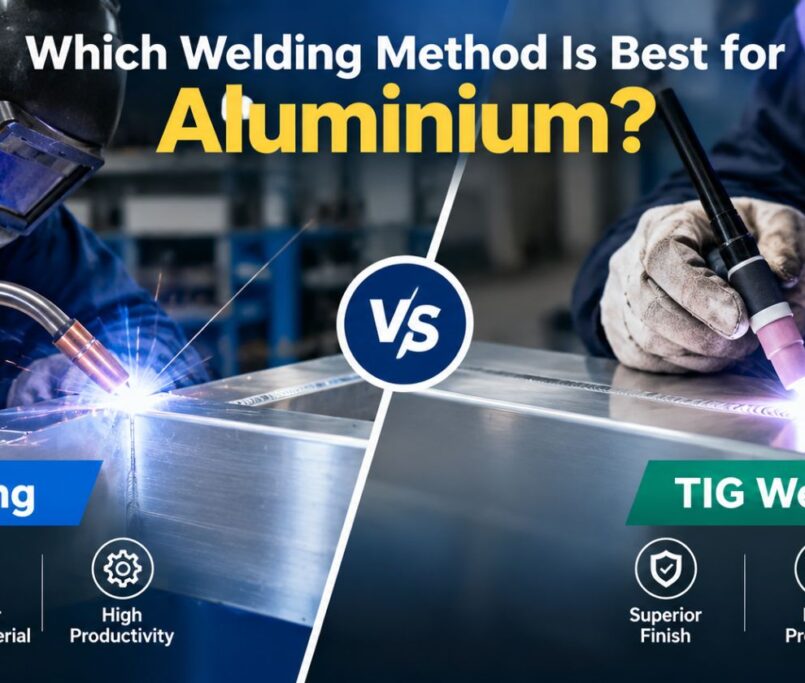
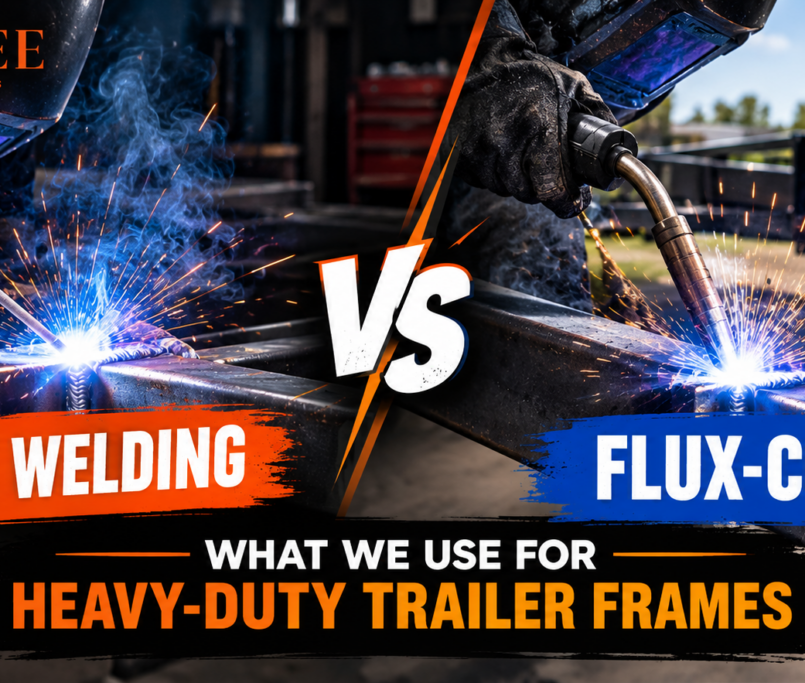
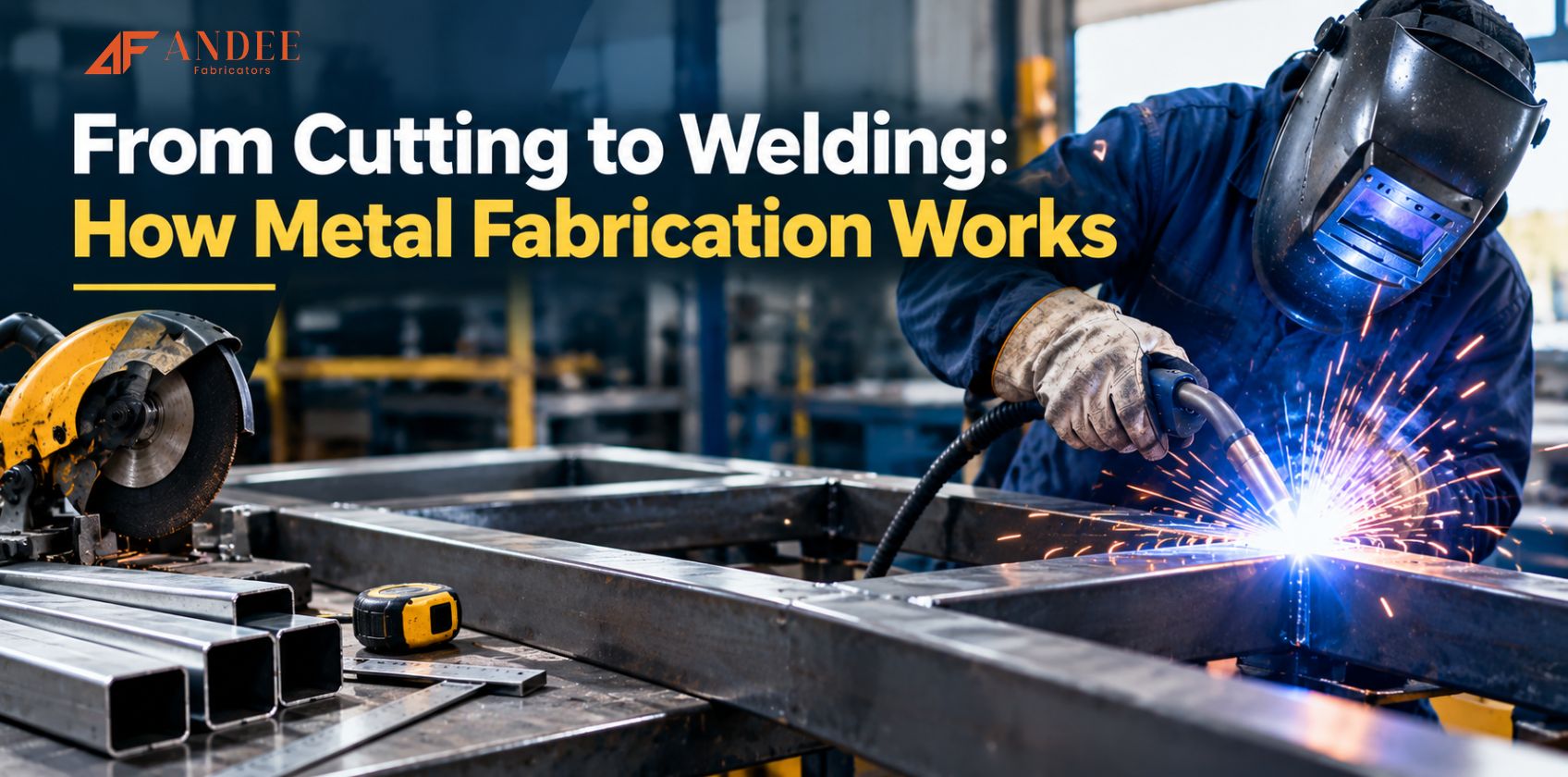
Cut and formed pieces are joined using a welding method matched to the material and application, TIG for precision and visible joins, MIG for structural sections and speed, or stick welding for heavier field work. This is where individual components become a single structural unit, and weld quality directly determines the strength and safety of the finished piece.
6. Assembly
Welded sections and any additional components, hardware, hinges, fittings, are brought together into the complete structure. For trailers and larger builds, this includes fitting axles, suspension, and other functional elements to the fabricated frame.
7. Finishing
Surfaces are ground, cleaned, and treated, painted, powder-coated, or otherwise protected, both for appearance and to protect against corrosion. Finishing is also the stage where welds are checked and any imperfections are addressed before the piece leaves the workshop.
8. Quality Check and Compliance
The finished piece is inspected against the original specification and relevant Australian standards before delivery. This includes checking weld integrity, structural tolerances, and finish quality, the final safeguard before a fabricated piece goes into use.
Why Each Stage Matters
Fabrication is sequential for a reason, an error introduced early compounds through every stage that follows. A cut that’s slightly off affects how a piece forms, which affects weld fit-up, which affects the strength and appearance of the finished structure. This is why experienced fabricators treat every stage with the same level of precision, not just the visible ones.
How Andee Fabricators Approaches Every Job
We manage the full process in-house, from initial design discussions through cutting, forming, welding, and finishing, with every stage completed to Australian standards. Whether it’s a custom trailer, structural steelwork, or a one-off fabrication job, the same sequence and quality control applies regardless of project size.
Metal Fabrication FAQ
What are the main stages of metal fabrication?
Design and planning, material selection, cutting, forming and bending, welding, assembly, finishing, and a final quality check against specification and standards.
What welding method is used in fabrication?
It depends on the material and application. TIG suits precision work and visible joins, MIG suits structural sections and thicker material, and stick welding is generally reserved for heavier field repairs.
Why does material selection matter in fabrication?
The wrong grade of steel or aluminium can compromise strength, weight, or durability regardless of how well the piece is cut, formed, or welded afterward. Material selection is matched to the specific load and use case before fabrication begins.
What happens after welding in the fabrication process?
Welded components move to assembly, where additional parts and hardware are fitted, followed by finishing, grinding, cleaning, and protective coating, and a final quality inspection.
How long does custom fabrication take?
Timelines vary with complexity and material availability, but the sequential nature of the process, cutting through to finishing, means realistic timelines are set at the design stage rather than estimated after work has started.
Is fabricated metalwork checked for compliance?
Yes. Finished pieces are inspected against the original specification and relevant Australian standards before delivery, covering weld integrity, structural tolerances, and finish quality.
Get Your Project Fabricated to Australian Standards
Andee Fabricators manages custom steel and aluminium fabrication end to end, from structural steel fabrication and custom fabrication to trailer manufacturing, all completed in our Sydney workshop. Get in touch to discuss your project.